Counselling & Whānau Support
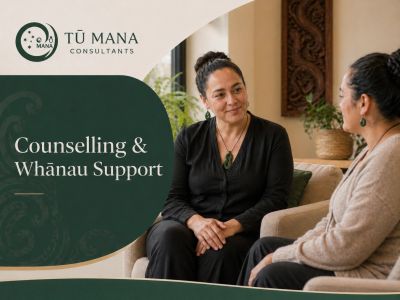
Counselling & Whānau Support
Tū Mana provides private trauma-informed counselling and whānau support for people navigating addiction, mental health distress, trauma, grief, family harm impacts, cultural disconnection, stress, or major life transitions.
Counselling is provided in a respectful, practical, and mana-enhancing way. The focus is on helping people understand what is happening, strengthen safety and stability, reconnect with supports, and take realistic steps toward change.
This is not a crisis service. If there is an immediate risk of harm, please contact emergency services or a local crisis team.
Who Counselling May Support
Counselling may be helpful for people who are:
- trying to reduce or stop alcohol or drug use
- feeling overwhelmed, stuck, anxious, angry, or disconnected
- affected by trauma, grief, violence, or significant life stress
- wanting to understand patterns in relationships, behaviour, or coping
- trying to rebuild stability after justice involvement
- wanting to strengthen identity, boundaries, and wellbeing
- working through shame, guilt, loss, or repeated setbacks
- wanting support to reconnect with whānau or safe support networks
Our Counselling Approach
Tū Mana uses a trauma-informed and healing-centred approach.
This means we work at a pace that supports safety, trust, choice, and dignity. We do not force disclosure or push people to talk about painful experiences before they are ready.
Counselling may include:
- understanding patterns of substance use or distress
- relapse prevention planning
- emotional regulation and grounding strategies
- trauma-informed support
- grief and loss work
- strengthening boundaries and safe relationships
- exploring identity, belonging, and values
- supporting motivation and readiness for change
- planning next steps with whānau or services where appropriate
The focus is practical: what is happening, what is driving it, what keeps it going, what strengths are already present, and what support is needed now.
Whānau Support
Where appropriate, Tū Mana may also support whānau.
Whānau support can help family members understand addiction, trauma, distress, relapse, boundaries, safety, and how to support change without becoming overwhelmed or unsafe themselves.
Whānau sessions may focus on:
- understanding what the person may be experiencing
- strengthening communication
- setting healthy boundaries
- reducing blame and shame
- supporting treatment engagement
- planning for safety and stability
- identifying practical next steps
Whānau involvement is guided by consent, safety, and the person’s circumstances.
Cultural Grounding and Identity
For some people, wellbeing is closely connected to identity, whakapapa, whenua, wairua, whānau, belonging, and cultural connection.
Where relevant, counselling can include gentle exploration of identity and cultural grounding in ways that feel safe and meaningful to the person.
This is not forced or assumed. It is guided by the person’s own goals, readiness, and understanding of what supports their wellbeing.
Private Counselling
Tū Mana counselling is privately funded unless another funding arrangement has been agreed.
Fees, availability, session length, and payment expectations are discussed before counselling begins.
Where Tū Mana is not the right fit, we may suggest other services or pathways that are more appropriate.
Confidentiality and Safety
Counselling is confidential, with some limits.
There may be situations where information needs to be shared to keep someone safe or to meet legal, ethical, or professional responsibilities. This includes serious concerns about risk to self or others, child safety, or other significant safety issues.
These limits are discussed at the beginning of counselling so people understand how information is managed.
Making an Enquiry
You can contact Tū Mana to discuss whether counselling or whānau support may be suitable.
Please include:
- your name
- the type of support you are looking for
- whether the support is for you or someone else
- the best way to contact you
- any immediate timeframes we should know about
Please do not send detailed trauma histories, full medical records, legal documents, or private information about another person in your first message. A brief outline is enough to begin.